Showing posts with label S. Naganath. Show all posts

Tuesday, March 12, 2024

New Book: "The Monarch of Mysore - His Highness Sri Nalwadi Krishnaraja Wodeyar - A Biography" (English Translation)

(Kannada original: "ಆಳಿದ ಮಹಾಸ್ವಾಮಿಯವರು" - ಸಿ. ಕೆ. ವೆಂಕಟರಾಮಯ್ಯ (೧೯೪೧)(ನಾಲ್ವಡಿ ಕೃಷ್ಣರಾಜ ಒಡೆಯರ್ ರವರ ಜೀವನ ಚರಿತ್ರೆ)
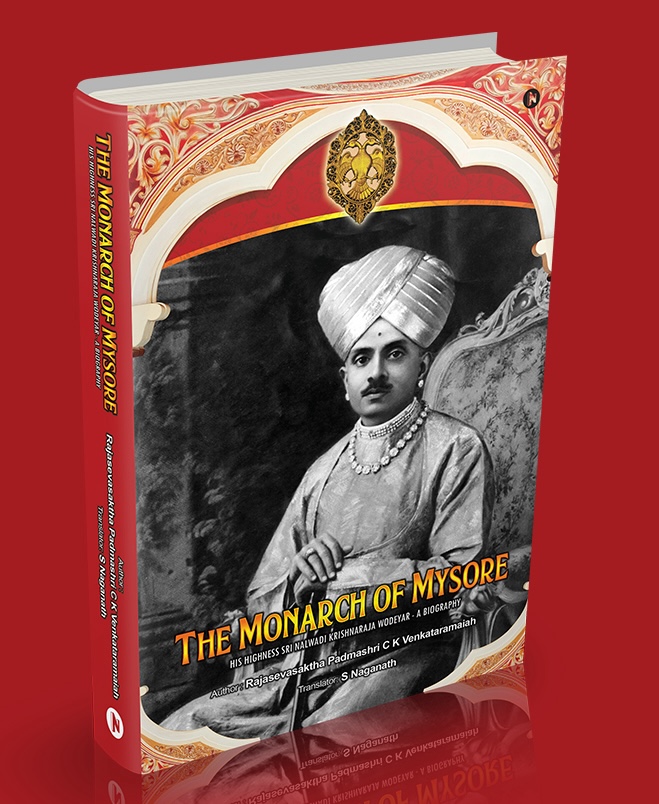
We are pleased to feature a new publication titled "The Monarch of Mysore - His Highness Sri Nalwadi Krishnaraja Wodeyar - A Biography". This is an English translation of the Kannada original titled "Aalida Mahiswamigalu" written in 1941 by C. K. Venkataramaiah. Since the original Kannada publication in 1941, the book had not seen a reprint till date, less so a translation. The Kannada book remains as one of the most definitive biographies of the erstwhile monarch written till date. Now, it's English translation hopes to bring this comprehensive tome to a larger, global audience. The translator - S. Naganath, son of Dr. S. Srikanta Sastri has also translated Dr. S. Srikanta Sastri's much acclaimed Kannada cult classic "Bharatiya Samskruti" into English under the title of "Indian Culture - A Compendium of Indian History, Culture and Heritage" in 2021. The book cover has been designed by renowned photographer and graphic artist S. L. Ravishankar. 


This publication, like the earlier translation, has been published by Notion Press Publishers Pvt. Ltd, Chennai and is available in Hardcover, Paperback and eBOOK formats across popular online platforms like Amazon, Flipkart and so on. The book runs to about 580 pages and features around 76 black and white photographs chronicling the life and times of  HH Nalwadi Krishnaraja Wodeyar IV. Some of the storylines, anecdotes and cross-references sourced from correspondences to and from the monarch shed an unique light on this period in the history of the princely state of Mysore. This monarch's early years, his training in administrative matters under the British appointee Stuart Fraser, his travels, the various decisions he took which later served as the very foundation of the modern state of Mysore (and later Karnataka) offer a rare glimpse into the makings of this well known Maharaja. 

We present the blurb from the English translation verbatim, to offer a taste of what the book has to offer: 


In 1399 A. D., Sri Yaduraya Wodeyar founded the “Yadu Vamsa” (dynasty). Later many illustrious rulers expanded the Mysore state in four directions.

This biographical work “Aalida Mahaswamigalu” by Rajasevasaktha Padmasri C. K. Venkataramaiah traces the ebb and tide of history of Mysore. The British Government decided upon restitution of monarchy by appointing Sri Chamarajendra Wodeyar as the successor to Sri Mummadi Krishnaraja Wodeyar in 1881. This enlightened Western educated ruler began modernisation of Mysore through administrative reforms. This fruitful thirteen years reign came to an end by his untimely death.

Sri Nalwadi Krishnaraja Wodeyar aged ten years was appointed as the next successor to the throne by Queen-Empress Victoria. The mother of the young Prince was appointed as the caretaker regent of the Mysore state. The Queen Dowager Sri Vanivilasa Sannidhana Kempananjammani ruled the state ably and efficiently for eight years (1895 – 1902).

After the investiture ceremony in 1902 by Lord Curzon the glorious golden direct rule of Nalwadi Krishnaraja Wodeyar dawned. The Maharaja began modernising the Mysore state through political and economic reforms. The establishment of University of Mysore, Shivana Samudra Hydro-Electric Project, Bhadravathi Iron and Steel factory, KRS dam across river Cauvery, Chemical Industries, Sandalwood oil and soaps & detergents factory, Mysore Silk weaving factory etc are some of his achievements.

The Maharaja adhered to the tenets of “Raja Dharma” and the people called him “Raja Rishi”. Mahatma Gandhi described the Mysore state as “Rama Rajya”. He worked diligently for the emancipation of dalits and women. This progressive rule of the Maharaja came to an abrupt end with his sudden death in 1940 (56 years old). His successor Maharaja Sri Jayachamarajendra Wodeyar continued the benevolent rule for seven years (1940 – 1947) and as Raja Pramukh for three years more (1947 – 1950).

This definitive biography of Nalwadi surveys the seventy years of the historic rule of the Mysore Wodeyars in a comprehensive manner.


To find out more, Click here


Saturday, February 24, 2024

An Ancient Seer in Modern Age - Sri Aurobindo (1872 - 1950) by Prof. S. Naganath

Sri Aurobindo’s full name is Aurobindo Acroyd Ghose. His alma mater Cambridge University classified “Acroyd” as a Christian Middle name. His father Dr. Krishnadhan Ghose was a civil surgeon and his mother Swarnalatha Devi (Basu) hailed from a Bengali aristocratic family. His ardent disciples consider his date of birth 15th August 1872 as an ominous indicator of India’s future date of liberation from British colonial Sri Aurobindo’s full name is Aurobindo Acroyd Ghose. His alma mater Cambridge University classified “Acroyd” as a Christian Middle name. His father Dr. Krishnadhan Ghose was a civil surgeon and his mother Swarnalatha Devi (Basu) hailed from a Bengali aristocratic family. His ardent disciples consider his date of birth 15th August 1872 as an ominous indicator of India’s future date of liberation from British colonial shackles.


Dr. K. D. Ghose was a diehard Anglophile and a great lover of Western culture. He sent his three sons to England for proper English school and University education. Sri Aurobindo the youngest son was only seven when he was sent to a distant foreign land six thousand miles away. The three boys were boarders in a clergyman’s house in Manchester city with strict instructions to the caretakers that these three boys must not be allowed to interact with any Indians, and not speak any Indian tongue during their stay in England.
Sri Aurobindo later went to St. Paul’s School in London and later went to Cambridge University on a senior classical scholarship to King’s College. He earned a First Class classical Tripos third division certificate after two years of study and did not graduate from Cambridge University as he did not pursue his final year studies there. Sri Aurobindo had become a true WOG (Westernised Oriental Gentleman) with a good knowledge of Greek, Latin, French, German, Italian and Spanish. He was a European scholar of classics and he did not know any Indian languages including his mother tongue Bengali and the classical language of India Sanskrit. He wrote the I.C.S open examination and got selected in 1890. He deliberately misled the compulsory horse riding test conducted by the examiners and hence got disqualified. Then His Highness Sayyaji Rao Gaekwad of Baroda offered him a job in Baroda Civil Service.

To read full article, Click Here.


Sunday, July 18, 2021

𝐈𝐍𝐃𝐈𝐀𝐍 𝐂𝐔𝐋𝐓𝐔𝐑𝐄 - 𝐀 𝐂𝐨𝐦𝐩𝐞𝐧𝐝𝐢𝐮𝐦 𝐨𝐟 𝐈𝐧𝐝𝐢𝐚𝐧 𝐇𝐢𝐬𝐭𝐨𝐫𝐲, 𝐂𝐮𝐥𝐭𝐮𝐫𝐞 𝐚𝐧𝐝 𝐇𝐞𝐫𝐢𝐭𝐚𝐠𝐞

Pleased to announce the launch of the English Translation of Dr. S. Srikanta Sastri's Kannada classic "Bharathiya Samskruthi" titled "INDIAN CULTURE - A Compendium of Indian History, Culture and Heritage". 

"INDIAN CULTURE - A Compendium of Indian History, Culture and Heritage" is the result of three years of hard work and intellectual toil. The 250 plus Sanskrit Quotations in the original Kannada work have now been translated to English with the help of Sanskrit scholars and linguists. Many of the illustrations and sketches (originally done by S. Srikanta Sastri himself) have been re-done to highlight the details better. The inclusion of a thorough Bibliography and INDEX at the end hopefully will aid the reader better navigate the 674 pages of the book. 

The Kannada original saw five reprints and was something of a best seller in academic circles, especially with Kannada readers. This translation in English, it is hoped, will showcase the book to a global readership and help them wade through the life and times of possibly the oldest surviving civilisation on this planet. 

To surmise the essence of the book, the following Translator's Note is reproduced here:

𝘛𝘩𝘦 𝘢𝘶𝘵𝘩𝘰𝘳, 𝘢 𝘩𝘪𝘴𝘵𝘰𝘳𝘪𝘢𝘯 𝘰𝘧 𝘳𝘦𝘱𝘶𝘵𝘦, 𝘤𝘰𝘯𝘧𝘳𝘰𝘯𝘵𝘴 𝘪𝘮𝘱𝘰𝘳𝘵𝘢𝘯𝘵 𝘪𝘴𝘴𝘶𝘦𝘴 𝘰𝘧 𝘐𝘯𝘥𝘪𝘢𝘯 𝘩𝘪𝘴𝘵𝘰𝘳𝘺 𝘪𝘯 𝘵𝘩𝘪𝘴 𝘤𝘭𝘢𝘴𝘴𝘪𝘤 𝘸𝘰𝘳𝘬. 𝘏𝘦 𝘳𝘢𝘪𝘴𝘦𝘴 𝘴𝘶𝘤𝘩 𝘲𝘶𝘦𝘴𝘵𝘪𝘰𝘯𝘴 𝘢𝘴 “𝘞𝘢𝘴 𝘵𝘩𝘦𝘳𝘦 𝘢𝘯 𝘈𝘳𝘺𝘢𝘯 𝘐𝘯𝘷𝘢𝘴𝘪𝘰𝘯 𝘰𝘧 𝘐𝘯𝘥𝘪𝘢 𝘪𝘯 𝘵𝘩𝘦 𝘱𝘢𝘴𝘵?”, “𝘐𝘴 𝘵𝘩𝘦 𝘤𝘢𝘴𝘵𝘦 𝘴𝘺𝘴𝘵𝘦𝘮 𝘢 𝘣𝘢𝘯𝘦 𝘰𝘳 𝘢 𝘣𝘰𝘰𝘯?”, “𝘋𝘪𝘥 𝘐𝘯𝘥𝘪𝘢𝘯 𝘸𝘰𝘮𝘦𝘯 𝘦𝘯𝘫𝘰𝘺 𝘦𝘲𝘶𝘢𝘭 𝘳𝘪𝘨𝘩𝘵𝘴 𝘪𝘯 𝘢𝘯𝘤𝘪𝘦𝘯𝘵 𝘵𝘪𝘮𝘦𝘴?”, “𝘞𝘢𝘴 𝘋𝘦𝘮𝘰𝘤𝘳𝘢𝘤𝘺 𝘢𝘯 𝘢𝘭𝘪𝘦𝘯 𝘤𝘰𝘯𝘤𝘦𝘱𝘵 𝘵𝘰 𝘝𝘦𝘥𝘪𝘤 𝘐𝘯𝘥𝘪𝘢𝘯𝘴?”, “𝘞𝘩𝘺 𝘉𝘶𝘥𝘥𝘩𝘪𝘴𝘮 𝘣𝘦𝘤𝘢𝘮𝘦 𝘦𝘹𝘵𝘪𝘯𝘤𝘵 𝘪𝘯 𝘵𝘩𝘦 𝘤𝘰𝘶𝘯𝘵𝘳𝘺 𝘰𝘧 𝘪𝘵𝘴 𝘰𝘳𝘪𝘨𝘪𝘯?”, “𝘞𝘩𝘢𝘵 𝘪𝘴 𝘐𝘯𝘥𝘪𝘢’𝘴 𝘭𝘢𝘴𝘵𝘪𝘯𝘨 𝘤𝘰𝘯𝘵𝘳𝘪𝘣𝘶𝘵𝘪𝘰𝘯 𝘵𝘰 𝘵𝘩𝘦 𝘧𝘪𝘦𝘭𝘥 𝘰𝘧 𝘚𝘤𝘪𝘦𝘯𝘤𝘦, 𝘔𝘢𝘵𝘩𝘦𝘮𝘢𝘵𝘪𝘤𝘴, 𝘈𝘴𝘵𝘳𝘰𝘯𝘰𝘮𝘺, 𝘔𝘦𝘥𝘪𝘤𝘪𝘯𝘦, 𝘊𝘩𝘦𝘮𝘪𝘴𝘵𝘳𝘺, 𝘔𝘦𝘵𝘢𝘭𝘭𝘶𝘳𝘨𝘺, 𝘦𝘵𝘤.?”, “𝘞𝘢𝘴 𝘐𝘯𝘥𝘪𝘢𝘯 𝘊𝘶𝘭𝘵𝘶𝘳𝘦 𝘨𝘳𝘦𝘢𝘵𝘭𝘺 𝘪𝘮𝘱𝘢𝘤𝘵𝘦𝘥 𝘣𝘺 𝘧𝘰𝘳𝘦𝘪𝘨𝘯 𝘳𝘦𝘭𝘪𝘨𝘪𝘰𝘯𝘴?”, “𝘏𝘰𝘸 𝘥𝘪𝘥 𝘐𝘯𝘥𝘪𝘢 𝘪𝘯𝘧𝘭𝘶𝘦𝘯𝘤𝘦 𝘪𝘵𝘴 𝘯𝘦𝘪𝘨𝘩𝘣𝘰𝘶𝘳𝘪𝘯𝘨 𝘌𝘢𝘴𝘵𝘦𝘳𝘯 𝘢𝘯𝘥 𝘞𝘦𝘴𝘵𝘦𝘳𝘯 𝘤𝘰𝘶𝘯𝘵𝘳𝘪𝘦𝘴?”, “𝘐𝘴 𝘚𝘢𝘯𝘴𝘬𝘳𝘪𝘵 𝘰𝘯𝘭𝘺 𝘢𝘯 𝘰𝘧𝘧-𝘴𝘩𝘰𝘰𝘵 𝘰𝘧 𝘵𝘩𝘦 𝘐𝘯𝘥𝘰-𝘌𝘶𝘳𝘰𝘱𝘦𝘢𝘯 𝘓𝘢𝘯𝘨𝘶𝘢𝘨𝘦𝘴 𝘎𝘳𝘰𝘶𝘱?”, “𝘞𝘩𝘢𝘵 𝘸𝘢𝘴 𝘵𝘩𝘦 𝘴𝘤𝘢𝘭𝘦 𝘰𝘧 𝘵𝘩𝘦 𝘴𝘰𝘤𝘪𝘢𝘭, 𝘦𝘤𝘰𝘯𝘰𝘮𝘪𝘤 𝘢𝘯𝘥 𝘱𝘰𝘭𝘪𝘵𝘪𝘤𝘢𝘭 𝘪𝘮𝘱𝘭𝘰𝘴𝘪𝘰𝘯 𝘥𝘦𝘵𝘰𝘯𝘢𝘵𝘦𝘥 𝘣𝘺 𝘵𝘸𝘰 𝘤𝘦𝘯𝘵𝘶𝘳𝘪𝘦𝘴 𝘰𝘧 𝘉𝘳𝘪𝘵𝘪𝘴𝘩 𝘊𝘰𝘭𝘰𝘯𝘪𝘢𝘭 𝘙𝘶𝘭𝘦?”. 

𝘛𝘩𝘦 𝘢𝘶𝘵𝘩𝘰𝘳 𝘩𝘢𝘴 𝘢𝘯𝘴𝘸𝘦𝘳𝘦𝘥 𝘵𝘩𝘦 𝘢𝘣𝘰𝘷𝘦 𝘷𝘦𝘹𝘪𝘯𝘨 𝘲𝘶𝘦𝘴𝘵𝘪𝘰𝘯𝘴 𝘣𝘢𝘴𝘦𝘥 𝘰𝘯 𝘢𝘯 𝘪𝘯𝘵𝘦𝘯𝘴𝘪𝘷𝘦 𝘴𝘵𝘶𝘥𝘺 𝘰𝘧 𝘈𝘳𝘤𝘩𝘢𝘦𝘰𝘭𝘰𝘨𝘺, 𝘌𝘱𝘪𝘨𝘳𝘢𝘱𝘩𝘺, 𝘕𝘶𝘮𝘪𝘴𝘮𝘢𝘵𝘪𝘤𝘴, 𝘰𝘳𝘪𝘨𝘪𝘯𝘢𝘭 𝘳𝘦𝘤𝘰𝘳𝘥𝘴 𝘪𝘯 𝘥𝘪𝘧𝘧𝘦𝘳𝘦𝘯𝘵 𝘭𝘢𝘯𝘨𝘶𝘢𝘨𝘦𝘴 𝘢𝘯𝘥 𝘵𝘩𝘦 𝘵𝘳𝘢𝘷𝘦𝘭𝘰𝘨𝘶𝘦𝘴 𝘰𝘧 𝘧𝘰𝘳𝘦𝘪𝘨𝘯 𝘷𝘪𝘴𝘪𝘵𝘰𝘳𝘴.

The author Dr S. Srikanta Sastri passed away in 1974 - long before the era of radio carbon dating, before archaeo-genetics was an accepted specialty and long before Out of India migration theory had the widespread acceptance that it has today. Yet, it is for these very reasons, this book holds great promise. Dr. S. Srikanta Sastri was among the earliest proponents of the Out of India Migration Theory. His articles on Harappan Town Planning and Indus Valley Proto-Indic Religion were revolutionary and hold much allure to scholars even to this day.  

This translation is not meant to be an updation of the work, originally penned in 1944 and published in 1954. It is a translation and nothing more. As a translator, I am fully aware of the challenges inherent in the arduous task of bringing a work as complex as Bharathiya Samskruthi (with its multitude of Kannada, Sanskrit and often Prakrit quotations) into English. It is also pertinent to mention that S. Srikanta Sastri in his original preface conceded ample room to dissenters and sceptics who were more than eager to find fault in his work. New research begets new perspectives. History gets re-written all the time. More than anyone, the author was aware of this fact and has stated as much in his preface! The purpose of mentioning this here is this - The translation needs to be read and enjoyed for the grand work that it is. It is not everyday that a writer is able to place 10,000 years of civilisation from stone age to present day, replete with references and proofs, with such candour and eloquence as S. Srikanta Sastri has. May be that in itself is enough reason to give it a try. 

The book is available for online purchase at the following links within INDIA for now:

𝔸𝕄𝔸ℤ𝕆ℕ 𝕀ℕ𝔻𝕀𝔸

𝔽𝕃𝕀ℙ𝕂𝔸ℝ𝕋 𝕀ℕ𝔻𝕀𝔸

ℕ𝕆𝕋𝕀𝕆ℕℙℝ𝔼𝕊𝕊 𝕀ℕ𝔻𝕀𝔸

It will be available for International online purchase shortly. Once available, links will be updated in this post. 

Also in the offing is an eBook version which will be made available shortly on all popular platforms. 

For those of you interested in seeing the CONTENTS list and SNIPPETS/ EXCERPTS from the book, kindly click the link here:

EXCERPTS FROM THE BOOK

Wishing all readers and my well wishers a fulfilling reading experience. It is high time, India's story from antiquity till date, be told right, for once (and by an Indian for a change)!!